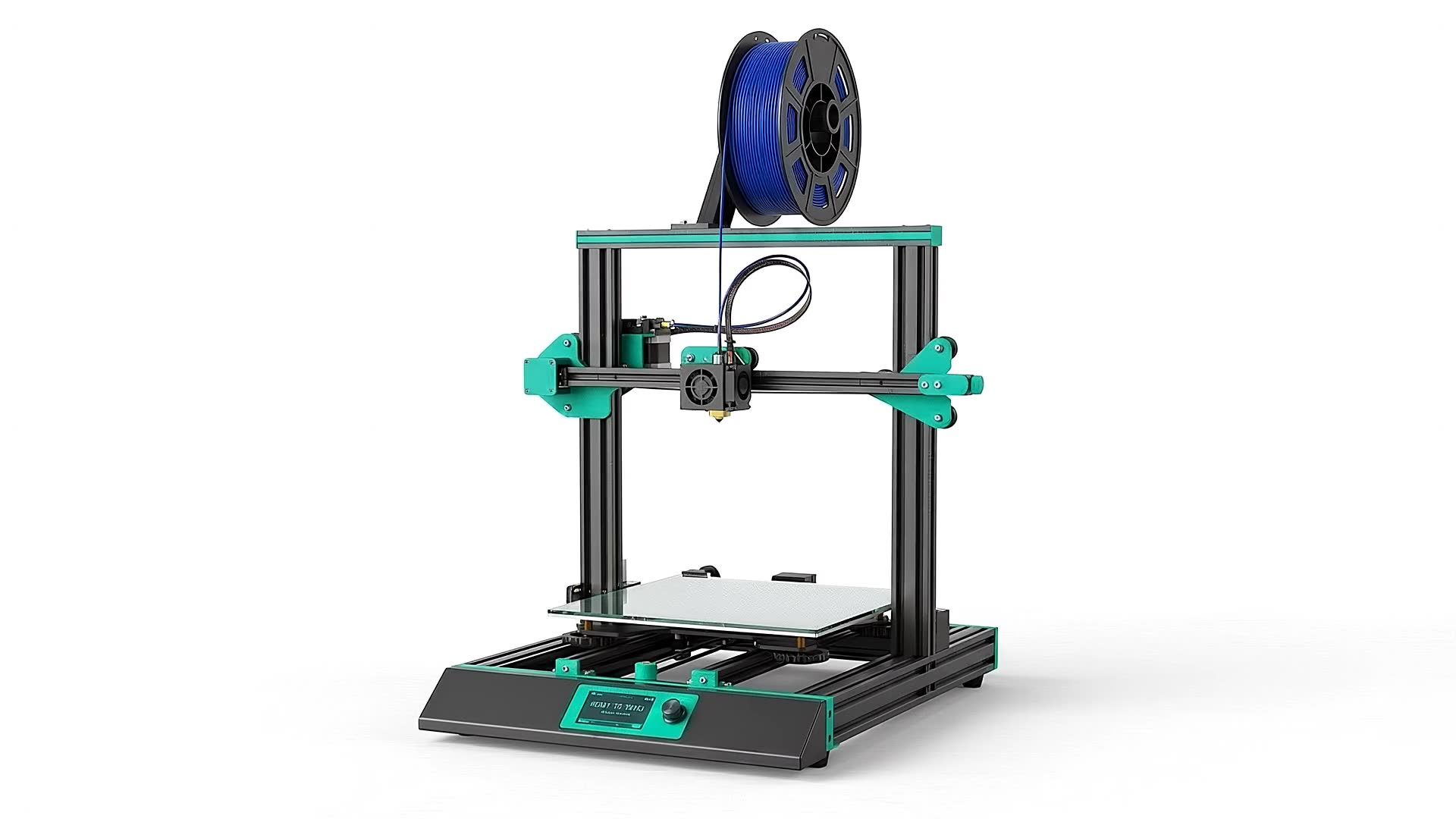
3D Printing &
additive manufacturing
From digital drawing to physical object: I turn ideas into tangible prototypes and components through additive manufacturing and 3D modelling.
Why 3D printing?
From digital idea
to physical prototype.
The path from idea to tangible result is time-consuming in conventional manufacturing. Additive manufacturing methods shorten this process considerably: ideas can be physically evaluated within hours and refined iteratively before more elaborate production steps follow.
Rapid iteration
Compared to conventional manufacturing methods, lengthy lead times are eliminated. First functional prototypes are ready within hours, enabling early verification of form, fit and function. Design errors become apparent before they become costly later in the process.
Material variety & precision
From flexible TPU to heat-resistant PETG and rigid PLA: the appropriate material for each requirement. Tolerances in the tenth-of-a-millimetre range are achievable within the process.
Proof of capability
From practice.
For practice.
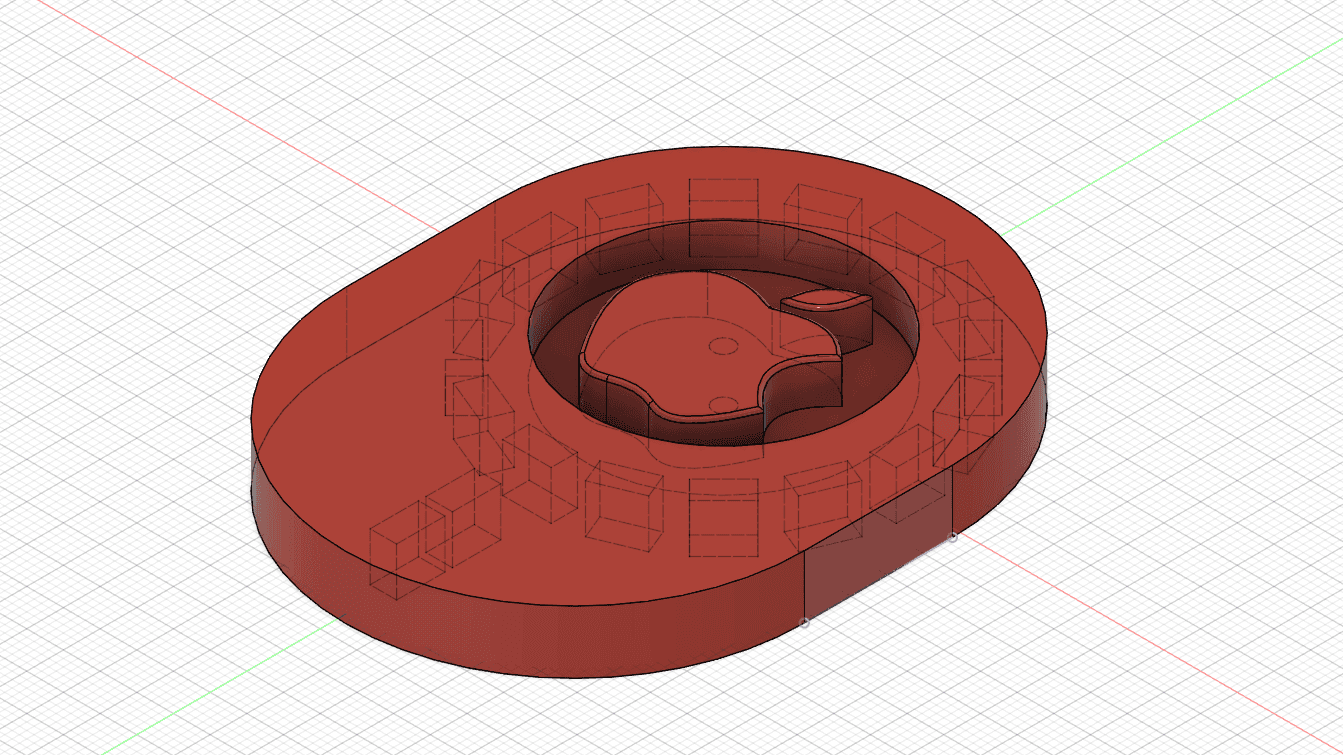
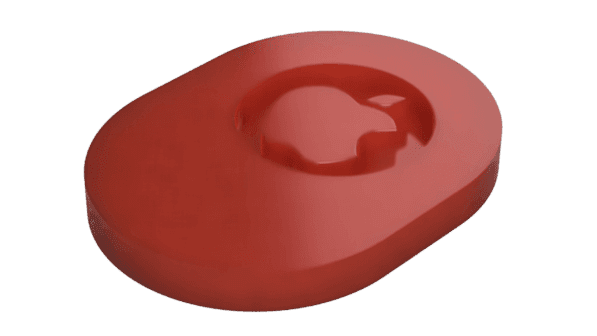
Anyone looking to apply additive manufacturing in product development should be familiar with the demands that a reliable prototype places on design and material selection. I have taken full responsibility for this process across various projects, achieving the results shown below.
prototypes & small-batch parts manufactured
materials & composites used
From CAD file to component in under 24 hours
Next steps
Interested in working together?
Whether you have a detailed requirements specification or just an initial idea, all it takes to get started is a 30-minute conversation. During this time, we will define the scope of the project, identify risks and outline the first solid architectural decisions.
Discuss your project at no obligation and no cost